
panalok - The Intricate World of Jueteng and the Role of Panalok
Explore the complex layers of Jueteng, a widely popular but illegal game in the Philippines, and understand the allure of becoming a panalok or winner in this cultural phenomenon.
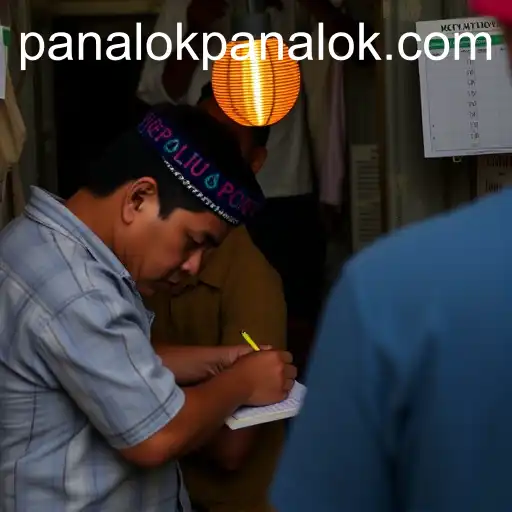
Understanding Jueteng: A Cultural Phenomenon
Jueteng is a numbers game that has become deeply ingrained in the cultural and social fabric of the Philippines. Despite being illegal, it thrives in various parts of the country, particularly in provinces where it has become a significant part of daily life. But what makes Jueteng more than just an illegal numbers game? One answer lies in the term panalok, which refers to the winning combination or person in the game. This notion of winning, although elusive, continues to captivate both players and operators alike.
The Mechanics of Jueteng
It is important to understand the mechanics of Jueteng to grasp why it remains popular. The game is simple: two draws of numbered balls ranging from one to 37 are conducted, and bettors choose numbers hoping it matches the draw results. Unlike other forms of gambling, Jueteng requires minimal input, yet offers an exciting prospect of significant returns, making panalok a highly coveted position.
Operators, known locally as jueteng lords, often organize the game with the help of cobradores who collect bets from players. These cobradores are integral to Jueteng's operations, working at the grassroots level to maintain interest and participation in the game.
The Social Dynamics Behind Jueteng
The allure of becoming a panalok is not merely about the financial gains. In many communities, Jueteng represents hope and aspiration. When daily economic struggles weigh heavily on individuals, the prospect of a windfall, however unlikely, provides a psychological escape. This is one of the reasons why Jueteng has endured despite numerous government crackdowns.
Additionally, Jueteng acts as a financial support system within communities. Winnings are often redistributed among family and friends, creating a local economy of shared opportunity and mutual benefit. This social dynamic helps sustain the game, making its eradication not only a legal challenge but a social one as well.
Jueteng and Its Complex Relationship with Authority
Jueteng's persistence is partly due to its complicated relationship with local authorities. In some regions, there is an unspoken understanding between operators and authorities. Law enforcement agencies may look the other way, either due to corruption or the practical argument that Jueteng is too ingrained to be stamped out without causing social upheaval. This maintains a status quo where Jueteng operates in a gray area between legality and necessity.
The Economic Impact of Jueteng
The economic implications of Jueteng are substantial. While providing some form of income for those involved in its operations, the game also diverts funds from potentially productive financial channels into illegal activities. Yet, for many, the immediate gains of participating in Jueteng outweigh these considerations, as becoming a panalok could mean temporary financial respite from the rigors of poverty.
Local economies in areas where Jueteng is prevalent often show signs of dependency, with informal markets intertwined with Jueteng-generated funds. This interplay complicates any efforts to eliminate the game, as whole communities may rely on the economic benefits it provides.
The Cultural Significance of Jueteng
One cannot discuss Jueteng without acknowledging its cultural significance. Over the years, Jueteng has evolved into more than just a game; it has become a lens through which to view social values and priorities. The aspiration to be a panalok underscores a culture where luck and destiny are revered concepts.
In Filipino folk culture, the belief in suerte or luck plays a pivotal role. Many Filipinos believe that fortune, both good and bad, is handed down by the powers that be, and Jueteng fits neatly into this worldview. This perspective, combined with the notion of winning, keeps people returning to the game despite its risks.
Addressing the Jueteng Phenomenon
Tackling the Jueteng issue requires more than legislative action. Addressing the reasons why Jueteng is appealing and the role it plays in people's lives must be at the forefront of any strategy. Empowering communities economically and improving education can offer alternatives, reducing the appeal of becoming a panalok.
Conclusion
Understanding the depth of Jueteng's influence is essential for any meaningful engagement with the problem. For now, as long as the game represents hope, aspiration, and an economic support system for many, Jueteng, along with the dream of becoming a panalok, will continue to thrive in various corners of the Philippines.








GOLD VIP
Minimum deposit: ₱1,500
- ✅ 150% bonus on all deposits
- ✅ Priority withdrawal in 1 minute
- ✅ 10% cashback weekly
- ✅ VIP support 24/7
- ✅ Higher betting limits
PLATINUM VIP
Minimum deposit: ₱6,000
- ✅ 200% bonus + all Gold benefits
- ✅ Instant withdrawal 24/7
- ✅ 15% cashback weekly
- ✅ Exclusive VIP table in casino
- ✅ Special event invitations
DIAMOND VIP
Minimum deposit: ₱30,000
- ✅ 300% bonus + all previous benefits
- ✅ Dedicated personal manager
- ✅ 20% cashback weekly
- ✅ Unlimited withdrawal limits
- ✅ Exclusive trips and gifts
🚀 Register NOW and Get ₱15,000 Bonus!
⏰ LIMITED TIME OFFER! Join over 1.2 million players who have already discovered why panalok is the #1 betting platform in the Philippines. Registration in 30 seconds, first withdrawal in 2 minutes!
💬 What our players say
"Best platform I've ever used! GCash withdrawal in 2 minutes, amazing support!"
- Carlos M., Manila ⭐⭐⭐⭐⭐
"Won ₱45,000 on Gates of Olympus! They paid everything correctly via GCash."
- Ana L., Cebu ⭐⭐⭐⭐⭐
"VIP system is amazing! I have a personal manager and cashback every week."
- Roberto S., Davao ⭐⭐⭐⭐⭐
PAGCOR License
SSL 256-bit
eCOGRA
BSP Approved